Article
Why Smart Shops Buy Used CNC Machines (And Don't Look Back)
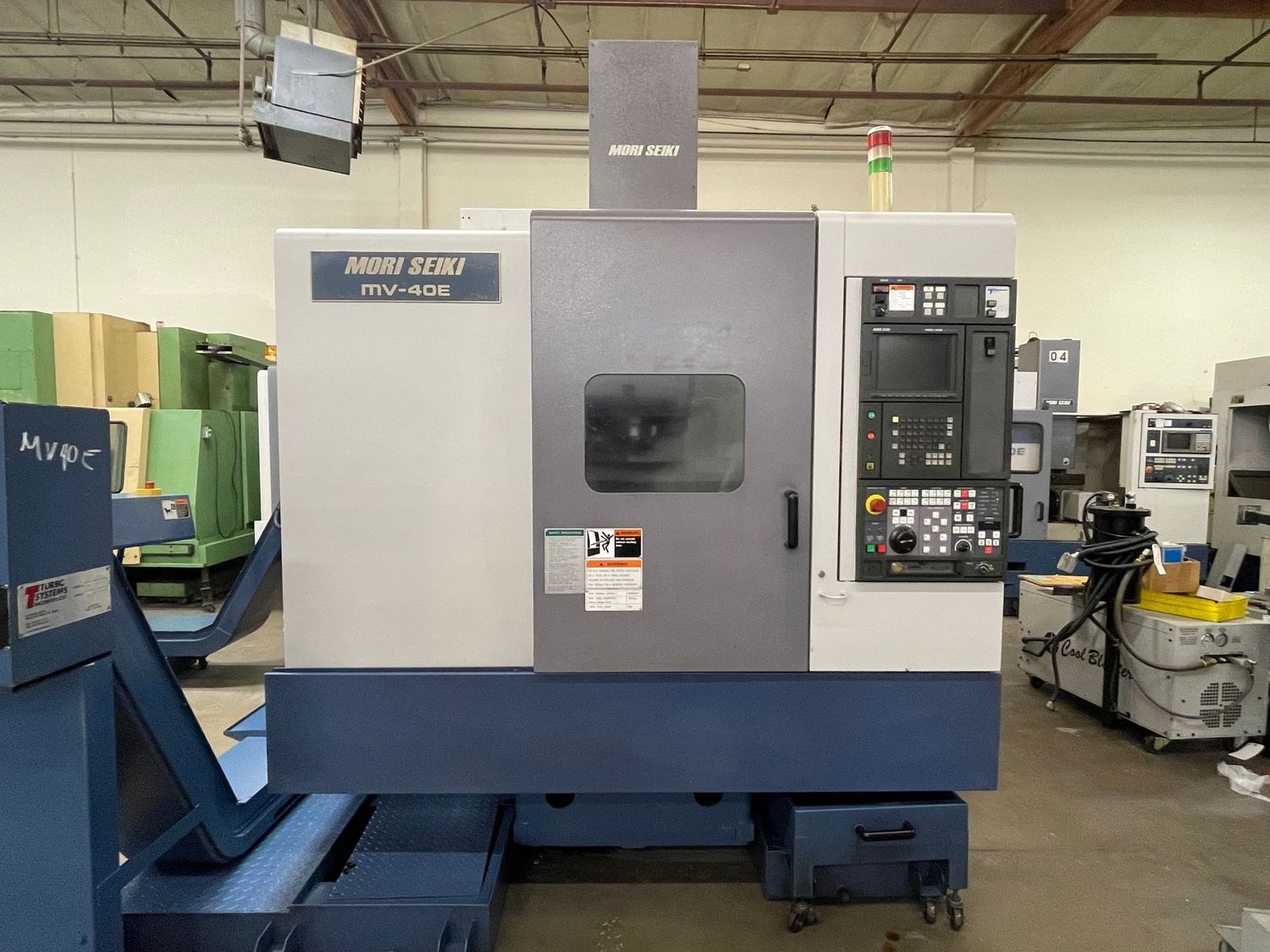
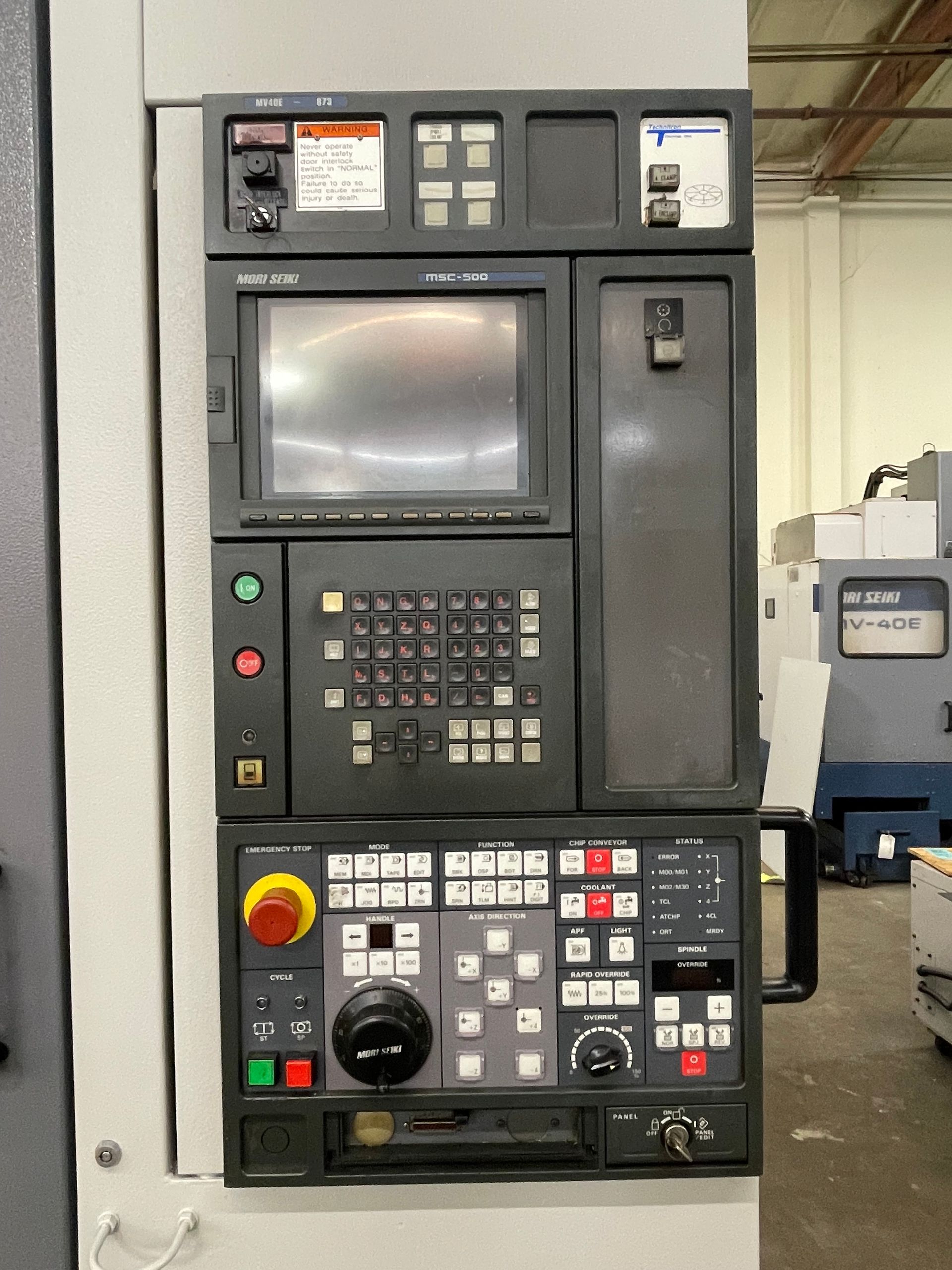
1999 MORI SEIKI MV 40E
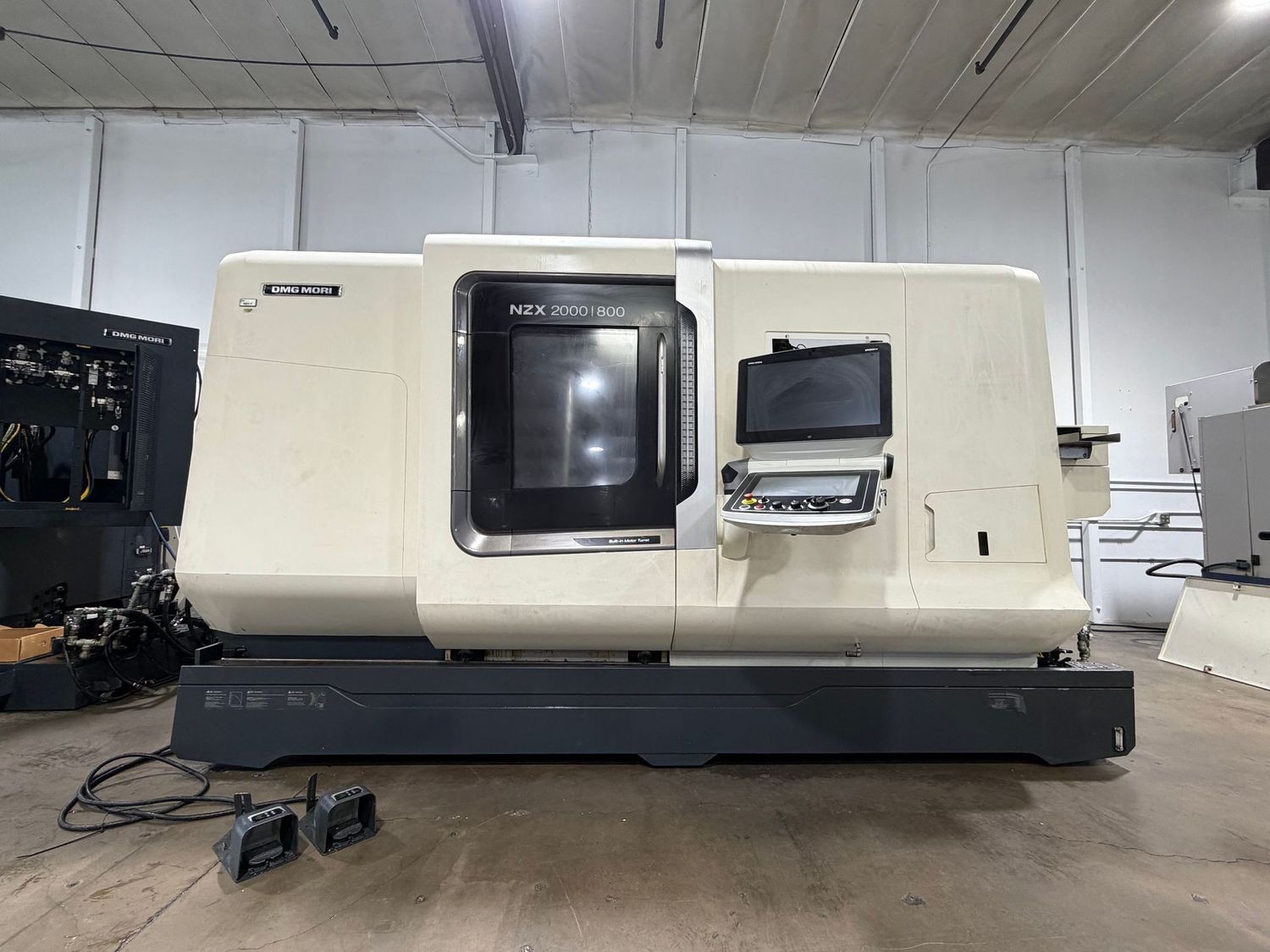
2016 DMG MORI NZX 2000SY/800 (3 Available)
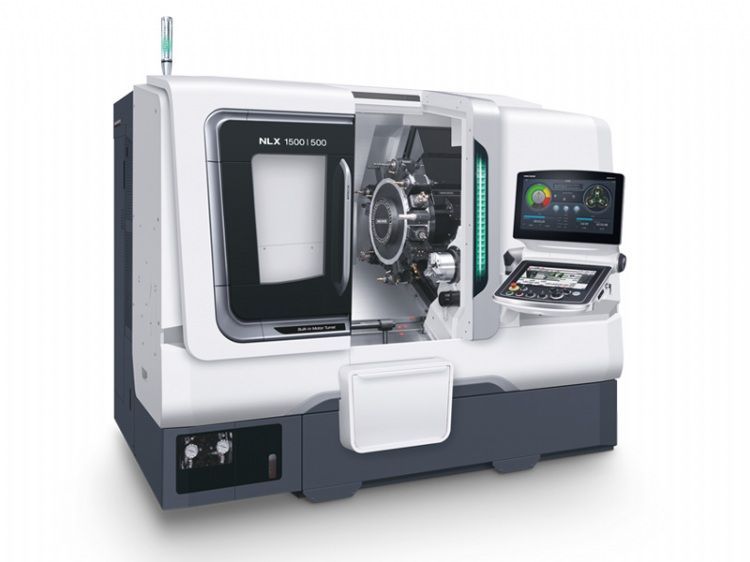
2015 DMG MORI NLX 1500SY/500
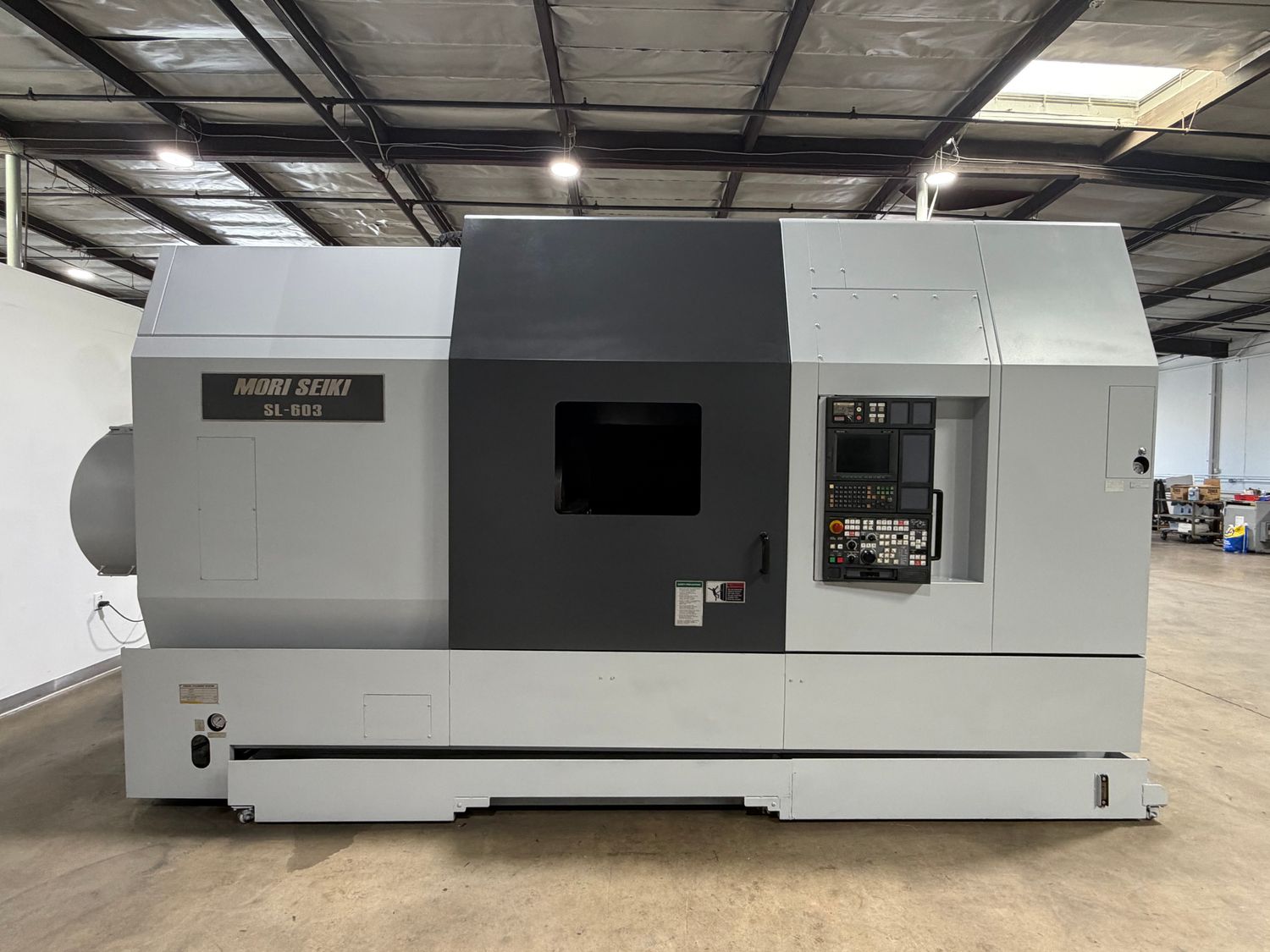
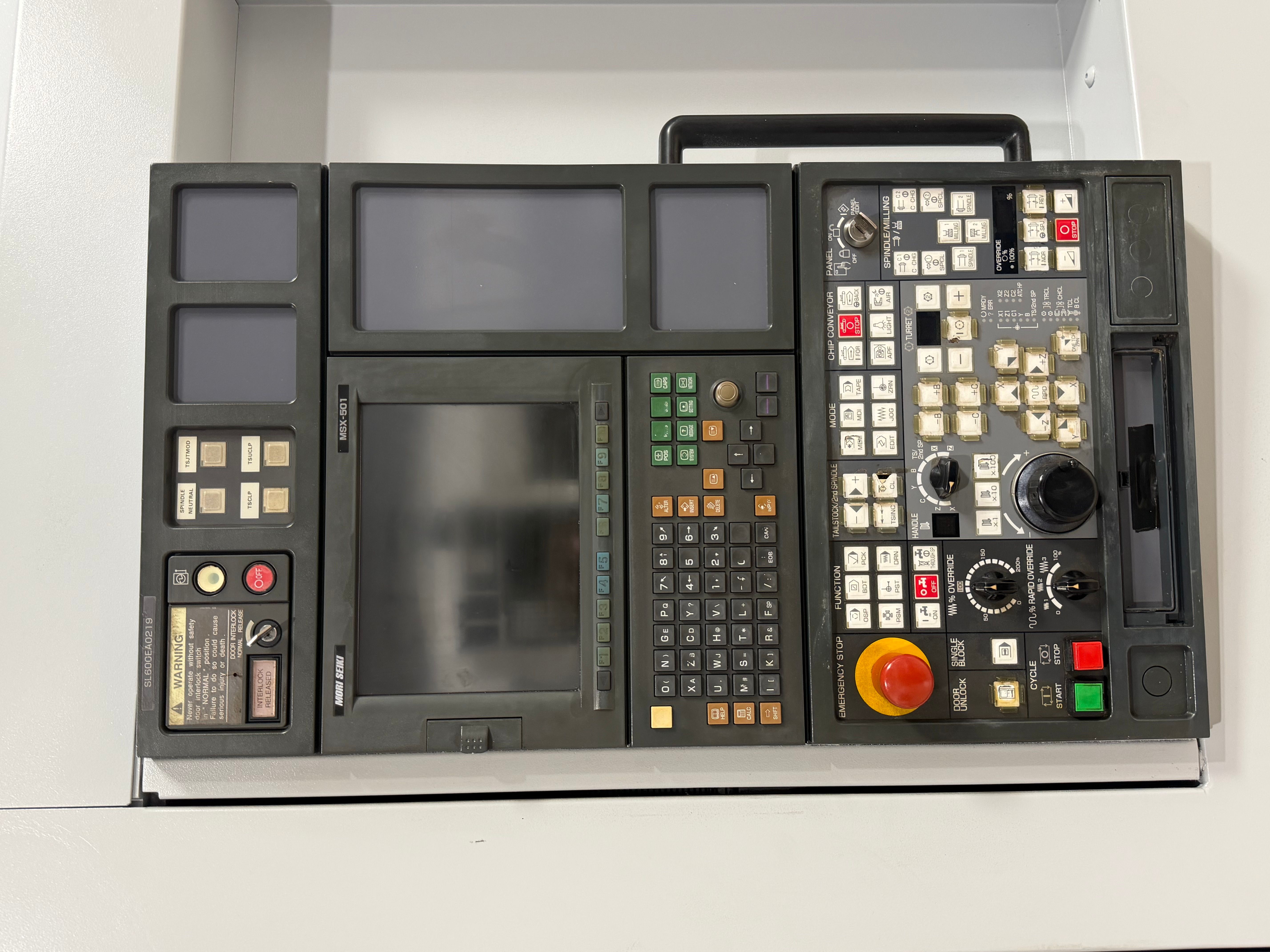
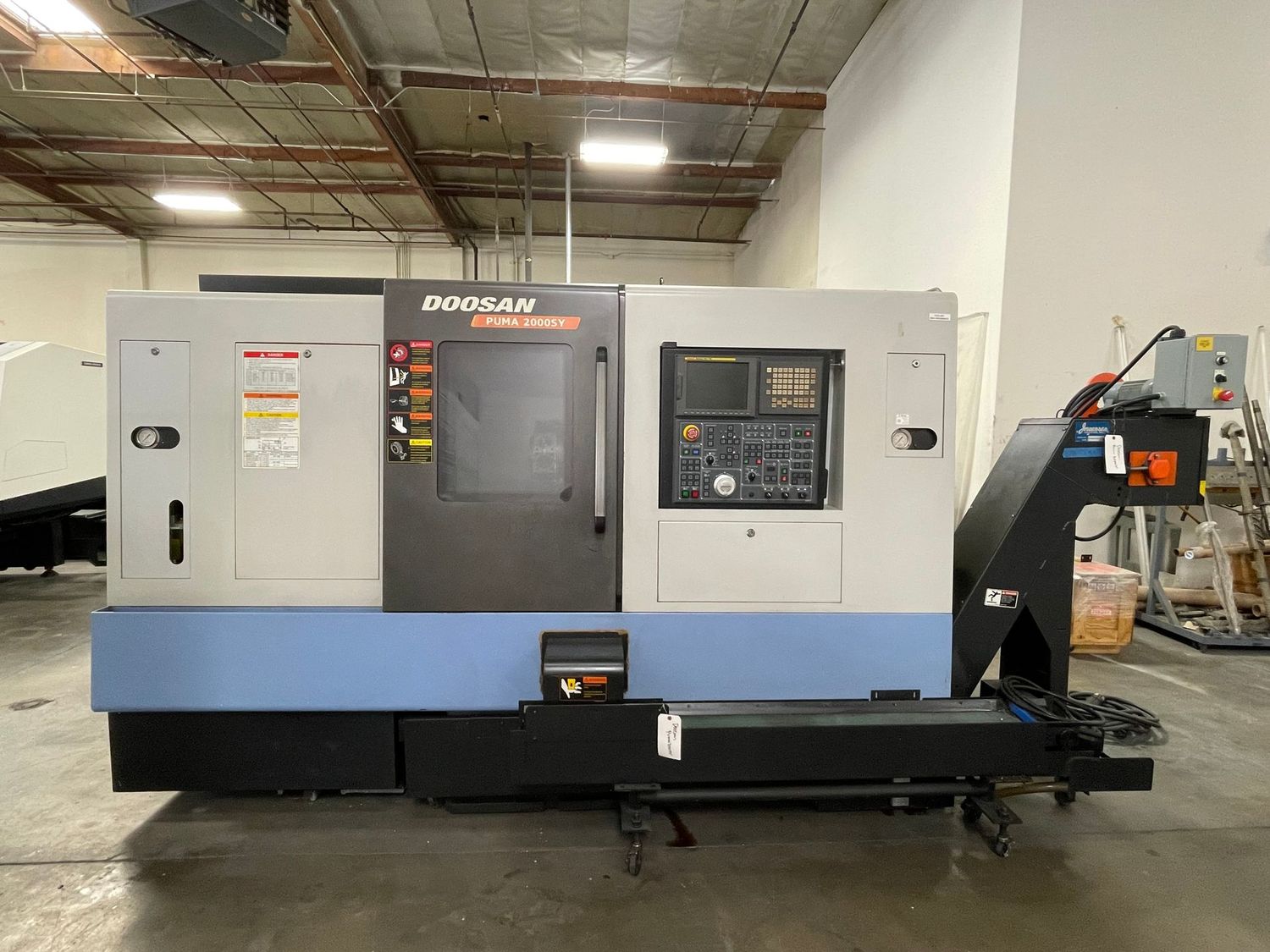
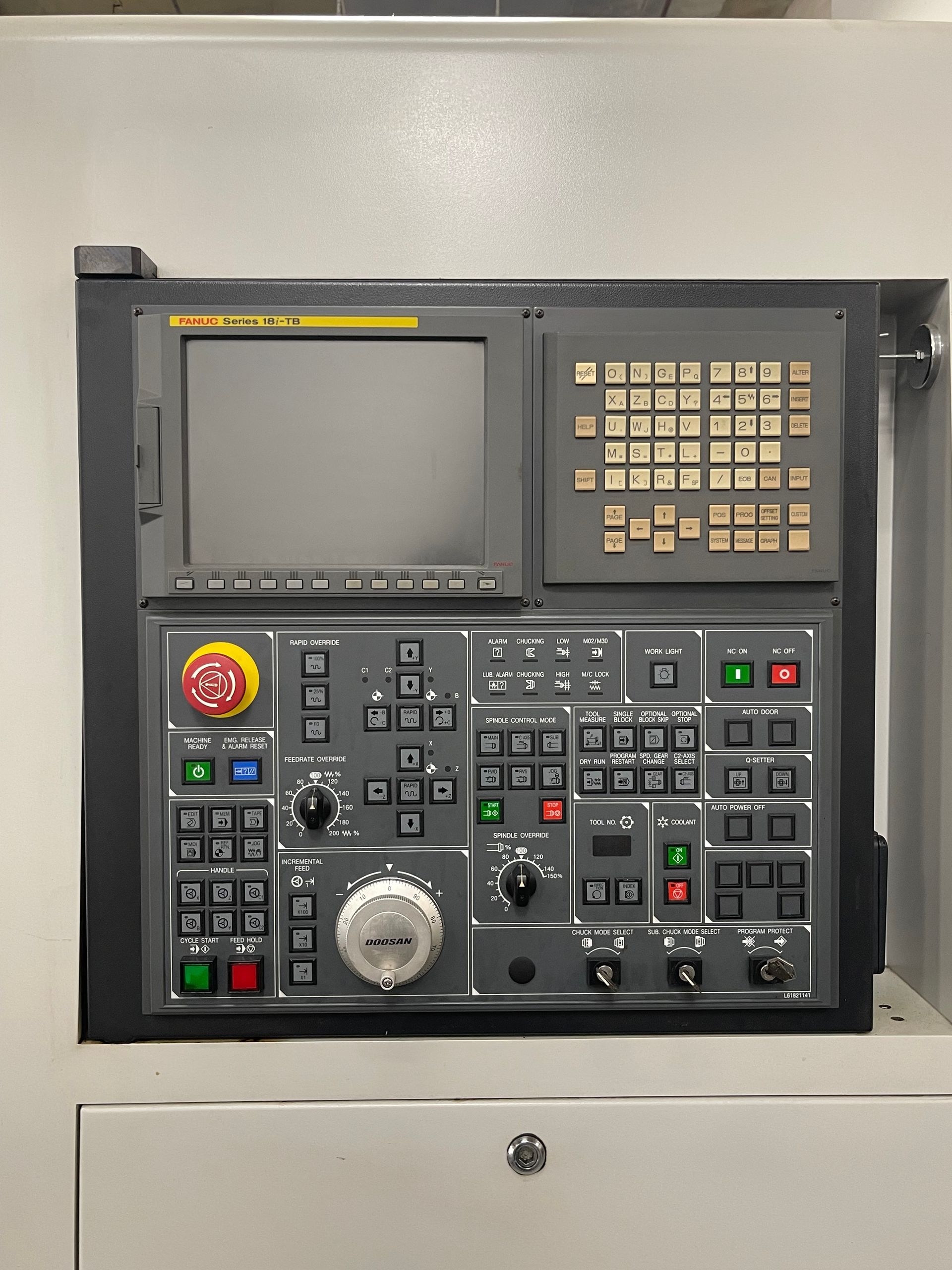
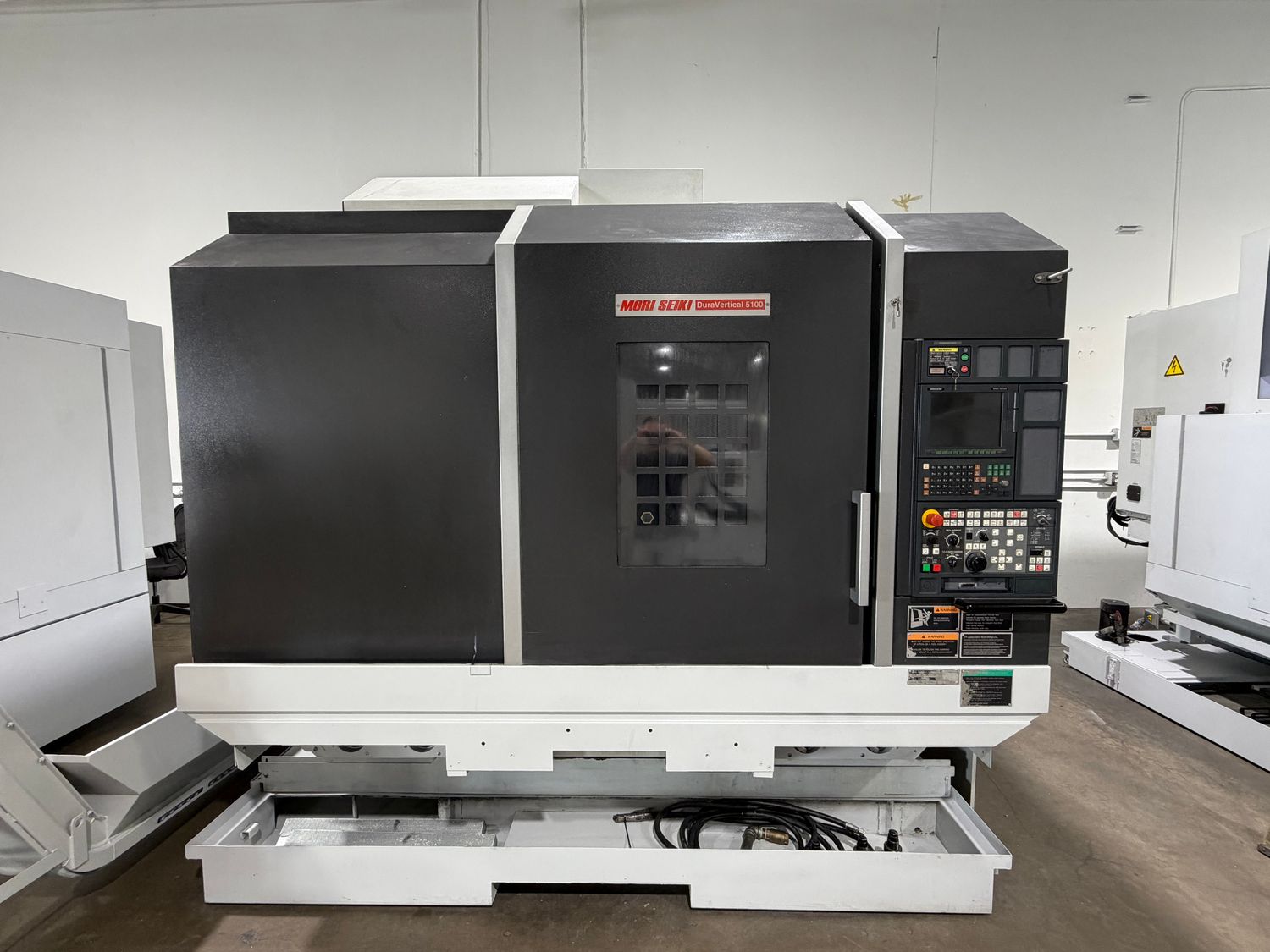
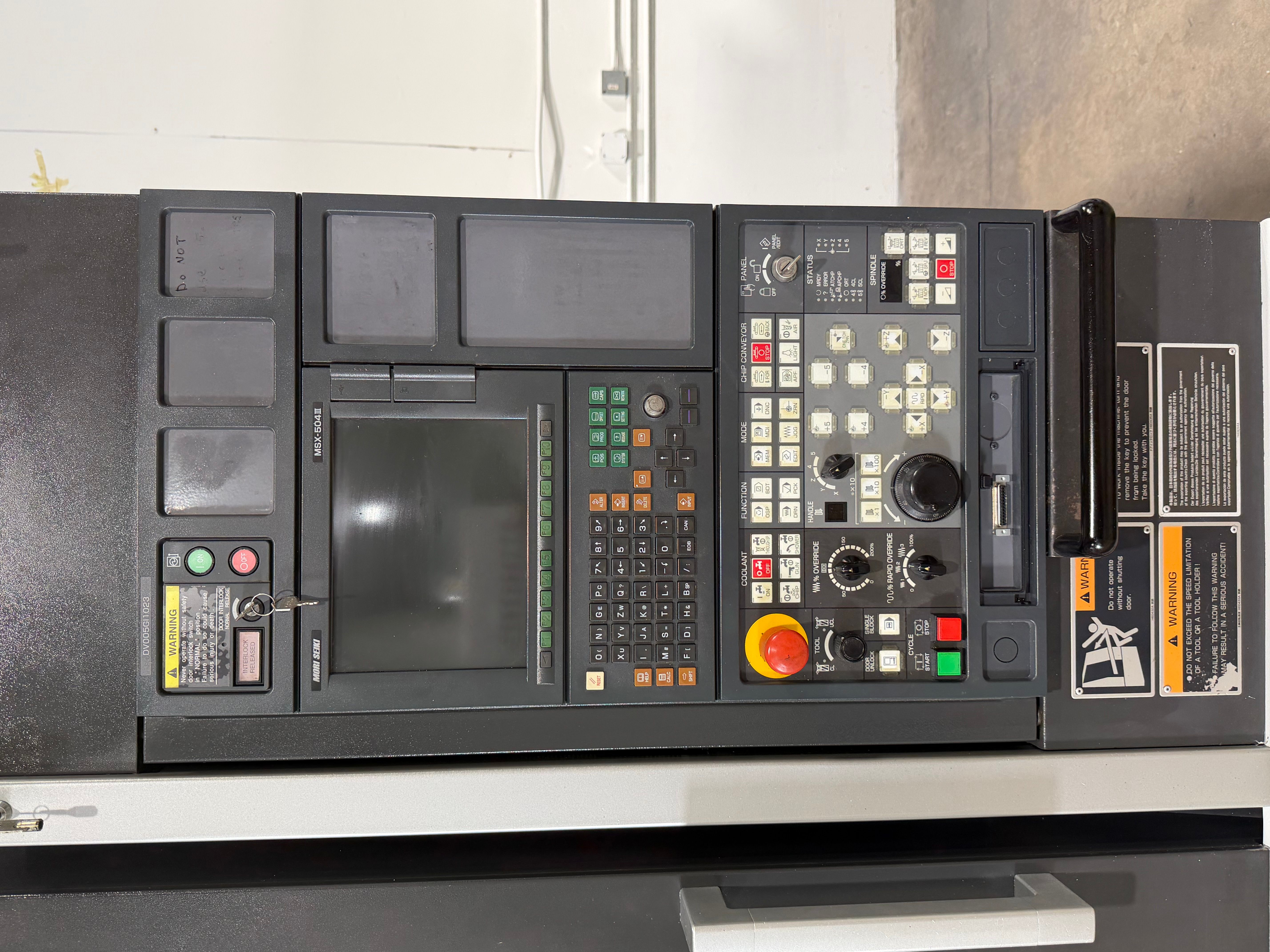
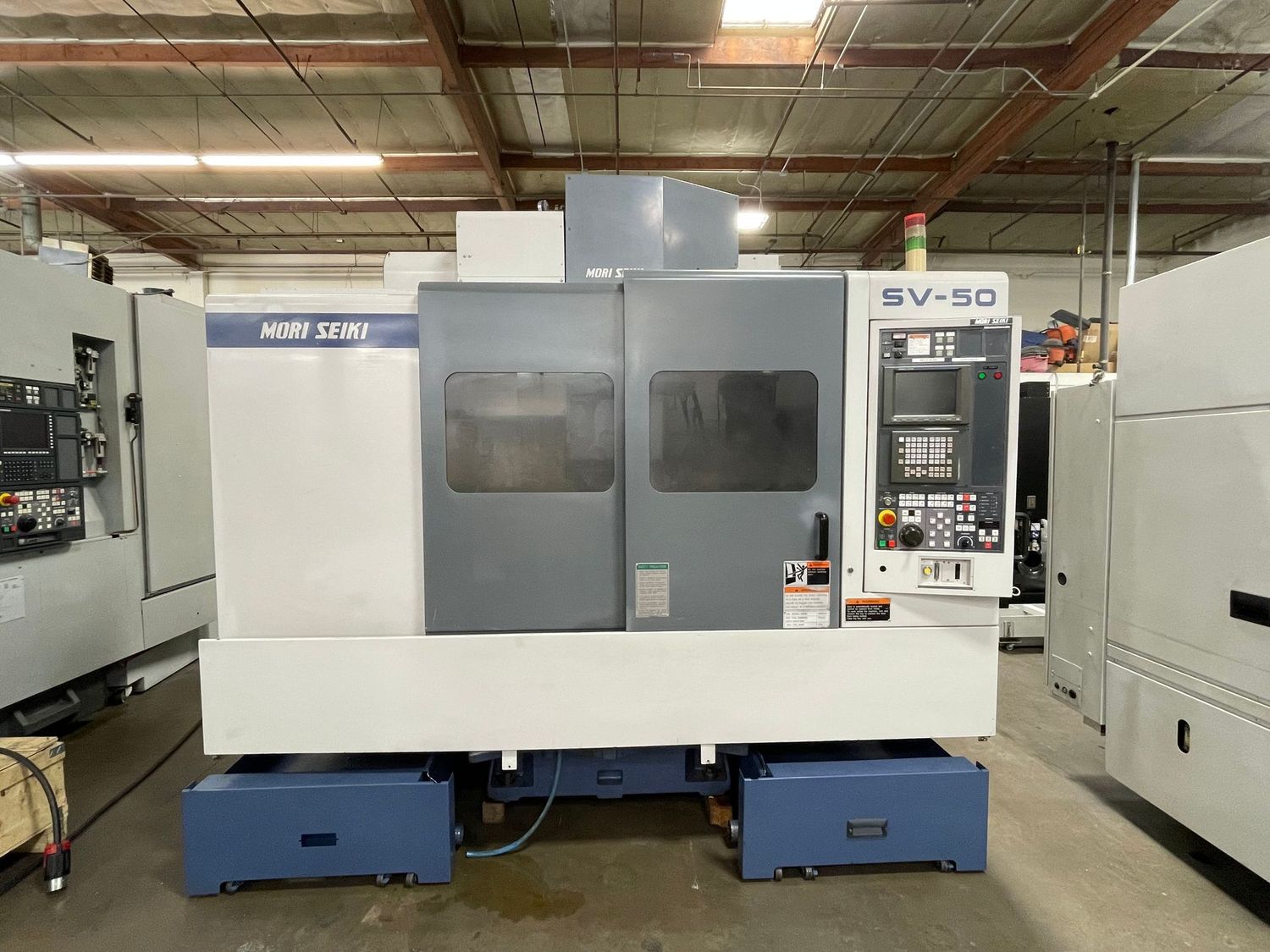
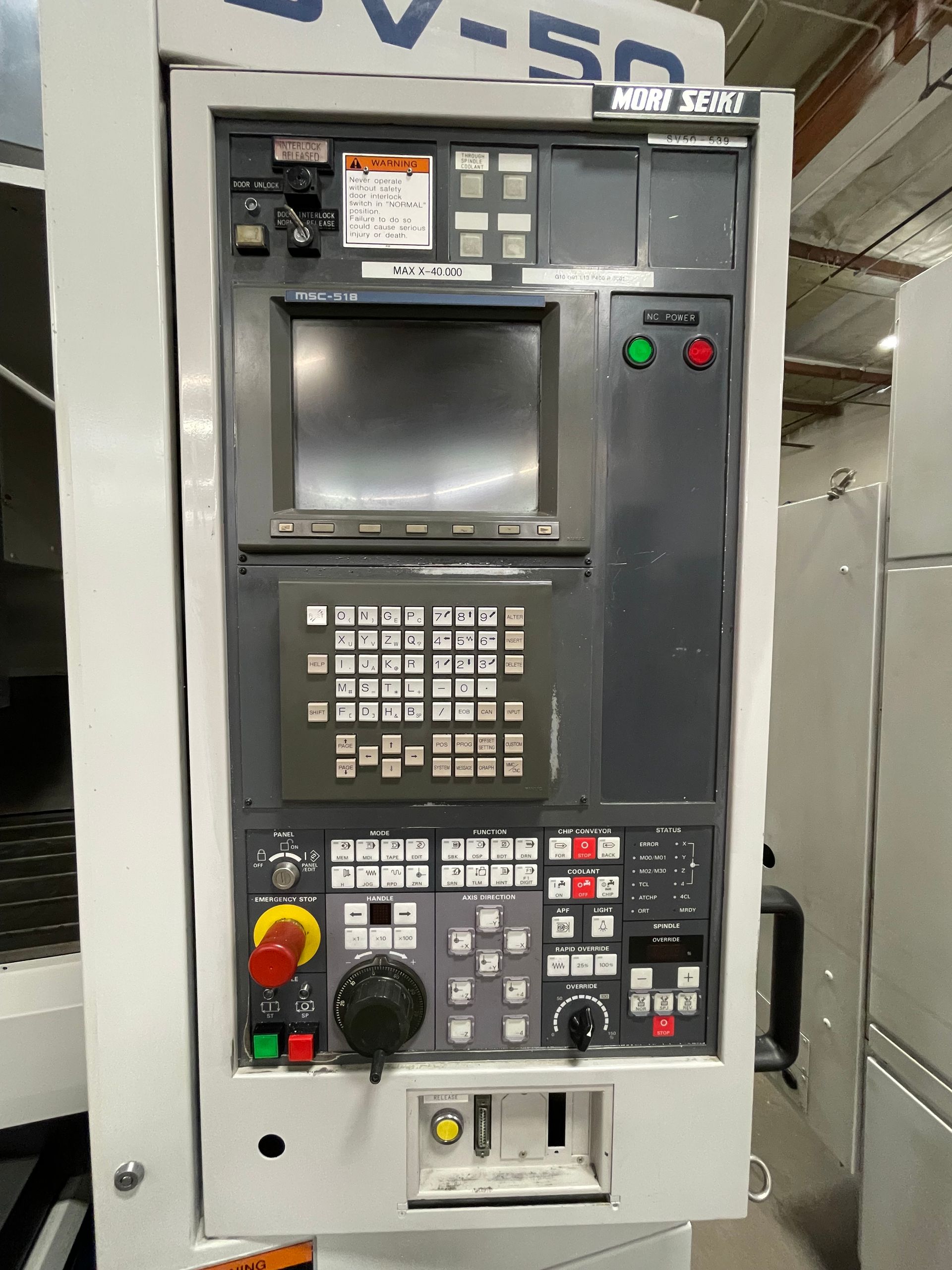
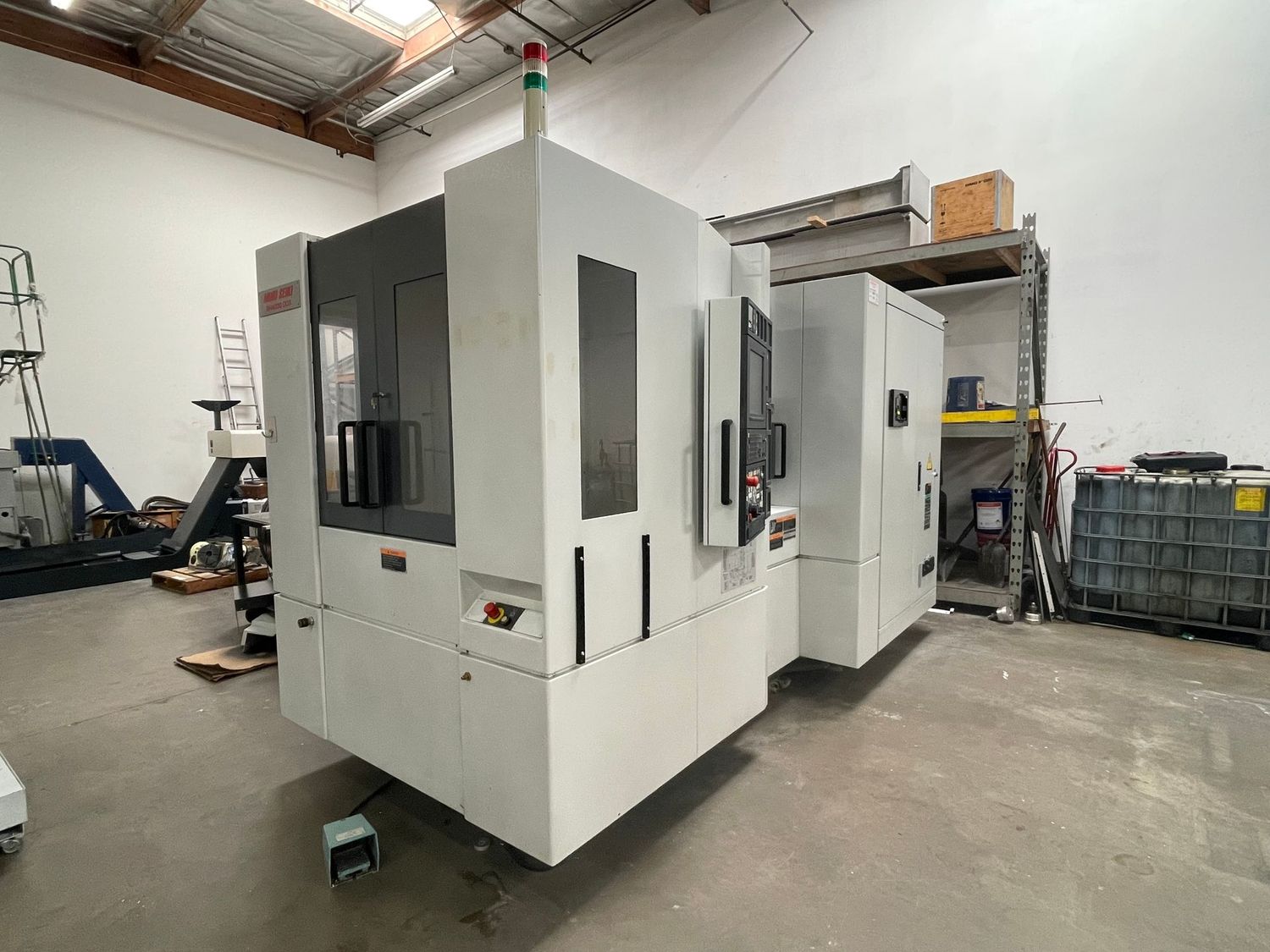
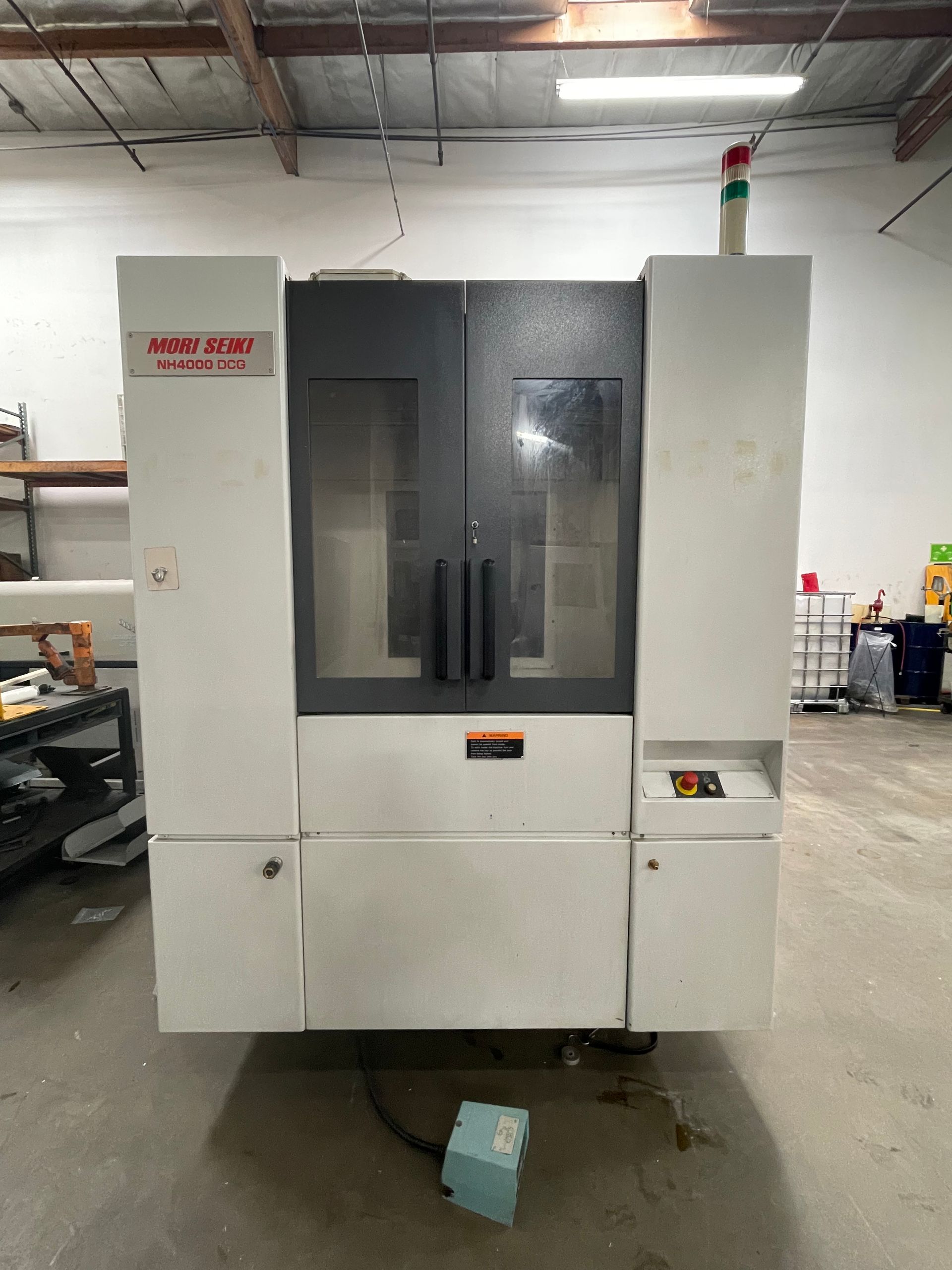
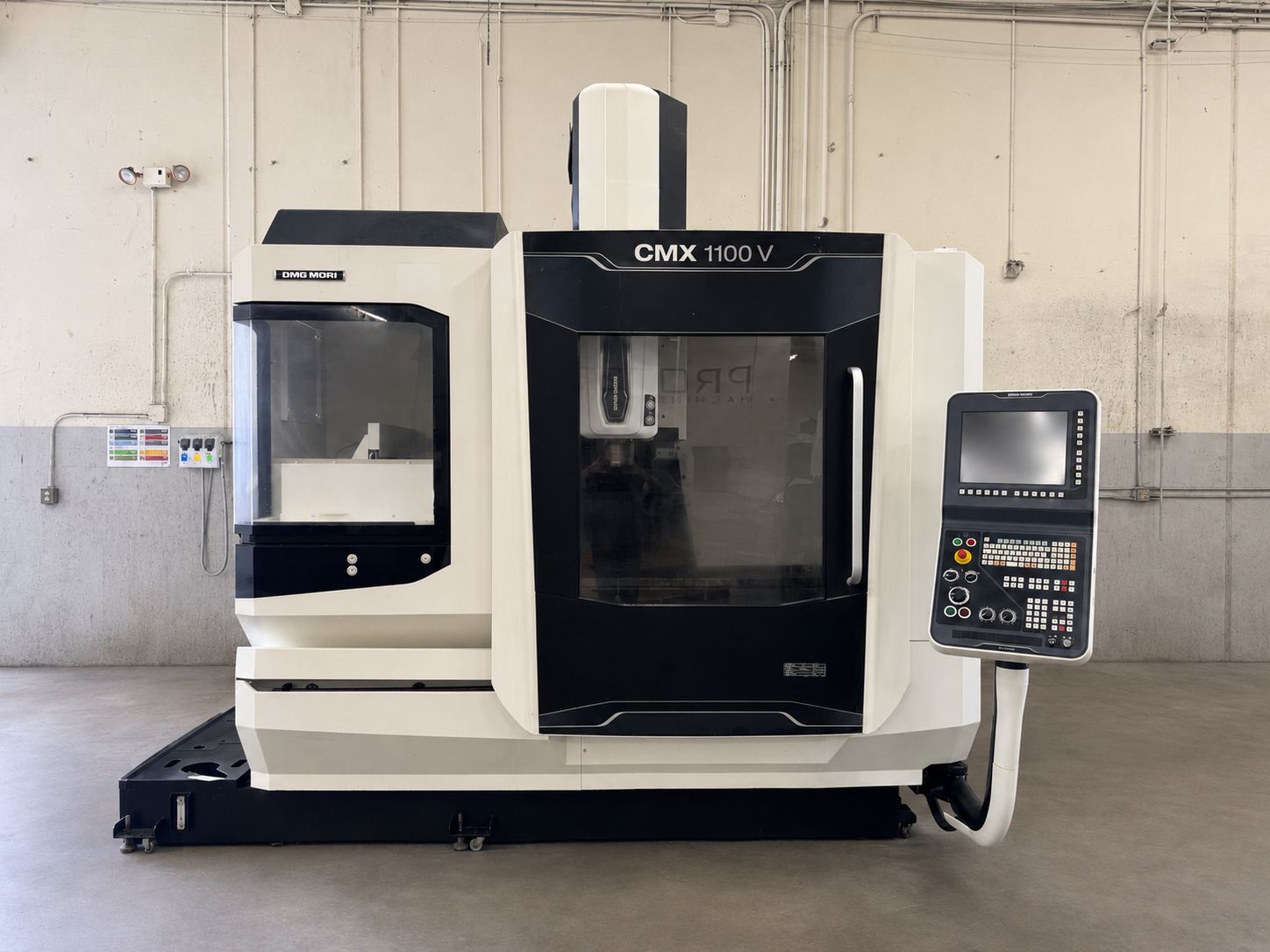
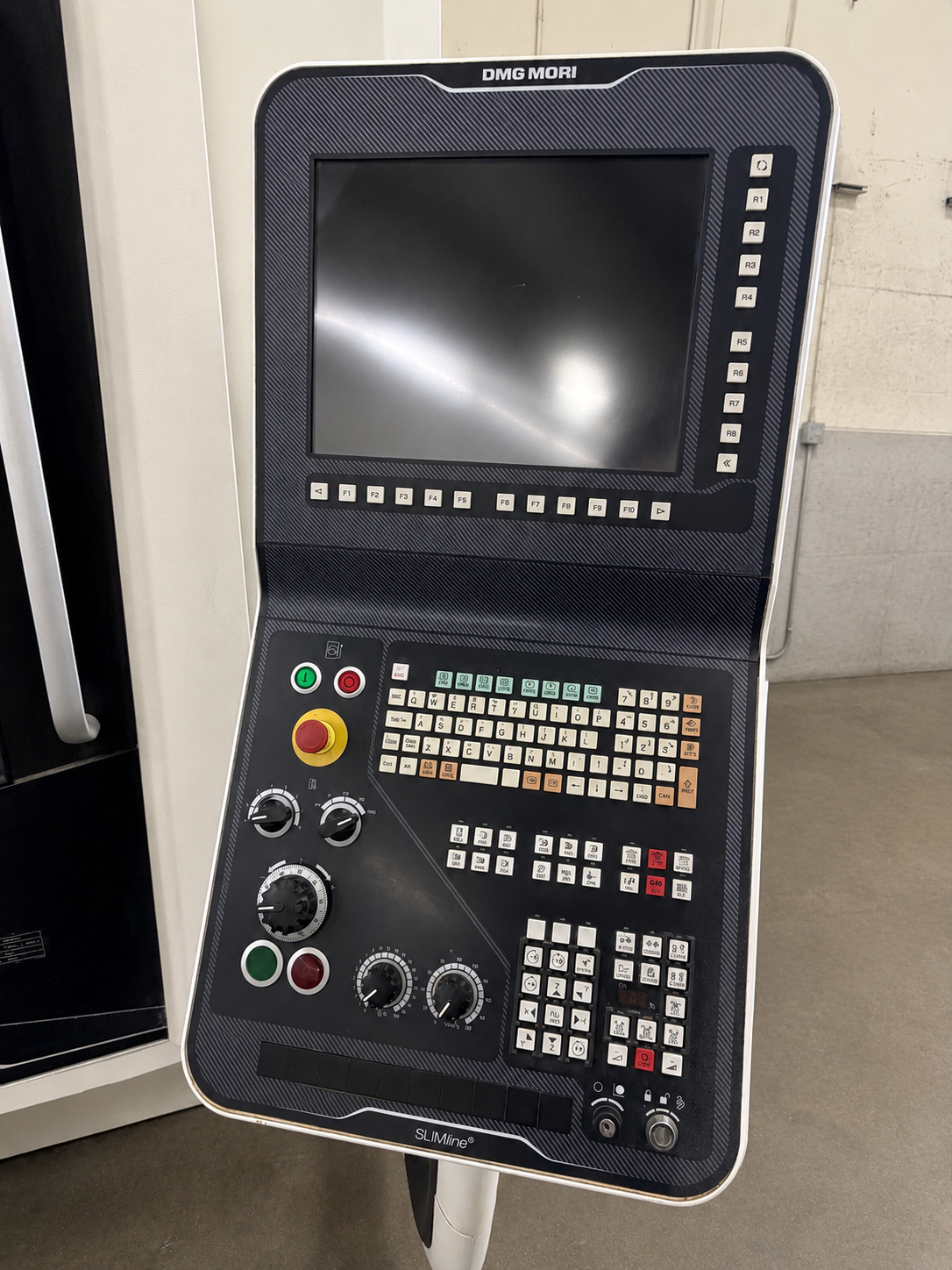
There's a version of this conversation that happens in machine shops all over the country: a shop owner needs more capacity, gets a quote on a new machine, sees the number, and starts doing math they weren't planning to do. Then someone mentions the used market, and suddenly the conversation gets interesting.
Here's why buying used CNC machines is your best bet.
The Price Gap Is Larger Than You Think
New CNC machining centers and turning centers from tier-one builders routinely run $150,000 to $400,000 depending on configuration. A well-inspected used machine with the same basic capability — same spindle taper, same axis travels, same control platform — can often be acquired for 20 to 40 cents on the dollar.
That's not a marginal difference. That's $100,000 to $250,000 back in your pocket, available for tooling, workholding, people, or the next machine. Shops that buy smart on equipment have more capital to deploy everywhere else.
Depreciation Already Happened — You're Not Paying For It
New machines depreciate sharply in the first few years of ownership. By the time a well-maintained Mori Seiki or DMG MORI hits the used market, that depreciation curve has already run its course. You're buying at or near the floor of the value cycle, which means your resale exposure is minimal compared to buying new.
A shop that buys a used machine for $50,000 and sells it five years later for $35,000 has a very different financial story than a shop that bought new at $220,000 and is trying to move it for $90,000.
Proven Reliability Beats Factory-Fresh
New machines aren't perfect. First-year production runs have bugs — software issues, component failures, calibration drift, integration problems. Manufacturers work these out over time, which means a machine that's been in production for five or ten years has already had those issues resolved, either by the builder through updates or by the market through attrition.
A used Mori Seiki NL2500 with 8,000 spindle hours in clean condition isn't a worn-out machine. It's a proven machine. It ran parts every day and held tolerance doing it. That track record is worth something.
Lead Times on New Are a Real Problem
This doesn't get talked about enough. New machine lead times from major builders have stretched significantly — in some cases running six months to over a year for configured equipment. If you need capacity now, waiting isn't a strategy.
The right used machine can often be purchased, shipped, installed, and cutting parts in the time it would take a new machine to leave the factory floor. For shops with work in hand and a capacity gap to fill, that timeline difference is the whole ballgame.
Section 179 Works on Used Equipment Too
One of the common misconceptions about buying used is that you give up the tax advantages. You don't. The Section 179 deduction applies to used CNC machines the same as new — up to the annual deduction limit, qualifying equipment placed in service before December 31 can be fully expensed in the year of purchase. Talk to your accountant, but the tax math on used is the same as new.
What You're Actually Risking — And How to Manage It
The honest version of this conversation has to address the real concern with used: unknown history. A machine that was run hard, poorly maintained, or came out of a bad environment is a different proposition than one that was serviced regularly and treated well. That risk is real.
The answer to that risk isn't buying new — it's buying from someone who inspects machines before selling them and will tell you what they found. At Protech, every machine we take in gets evaluated before it goes back out. We specialize in Mori Seiki and DMG MORI because we know these machines well enough to assess them accurately and stand behind what we sell.
The risk of buying used from a liquidator who's never run a CNC machine is different from the risk of buying used from a dealer who has.
Know who you're buying from.
The Bottom Line
For the majority of job shops expanding capacity to run standard work — turned parts, milled components, contract manufacturing — the used market offers the same capability at a fraction of the cost, with faster availability and no depreciation exposure. The machine doesn't know it's used. Your parts won't either.
Browse our current inventory here or call us at (714) 632-8452. We're happy to help you find the right machine.