Article
Used CNC Lathes: Why Mori Seiki Is the Brand Worth Buying
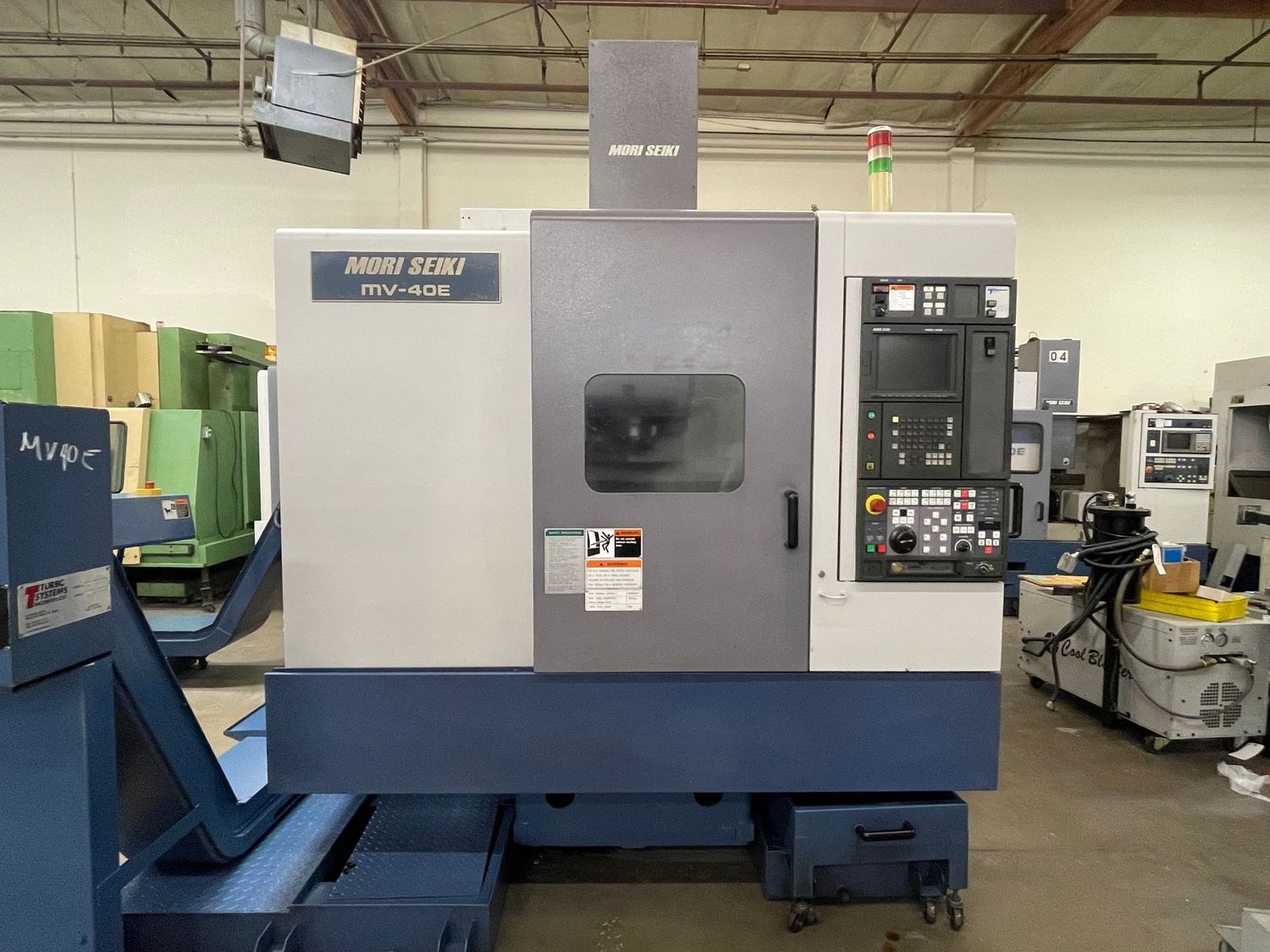
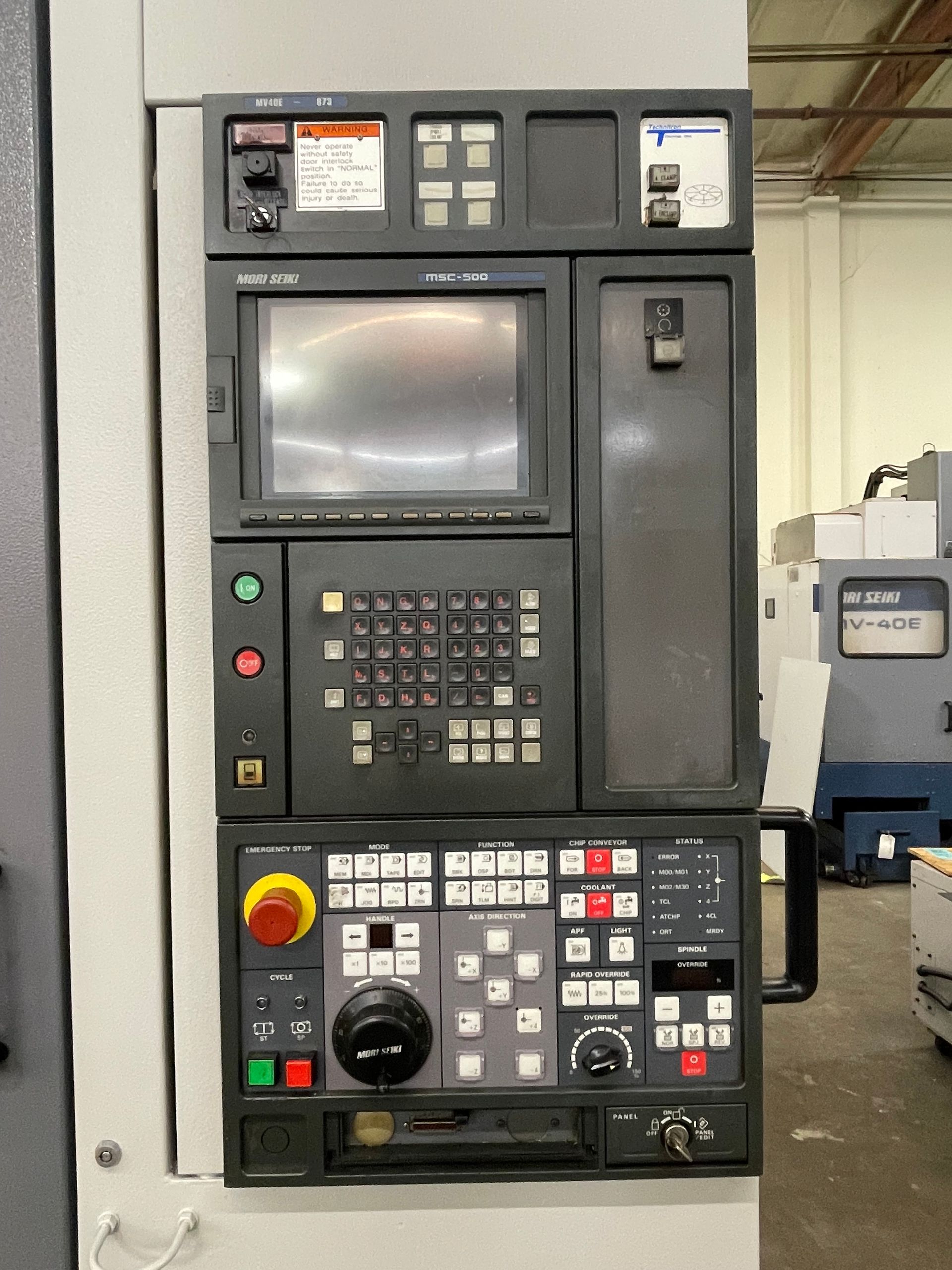
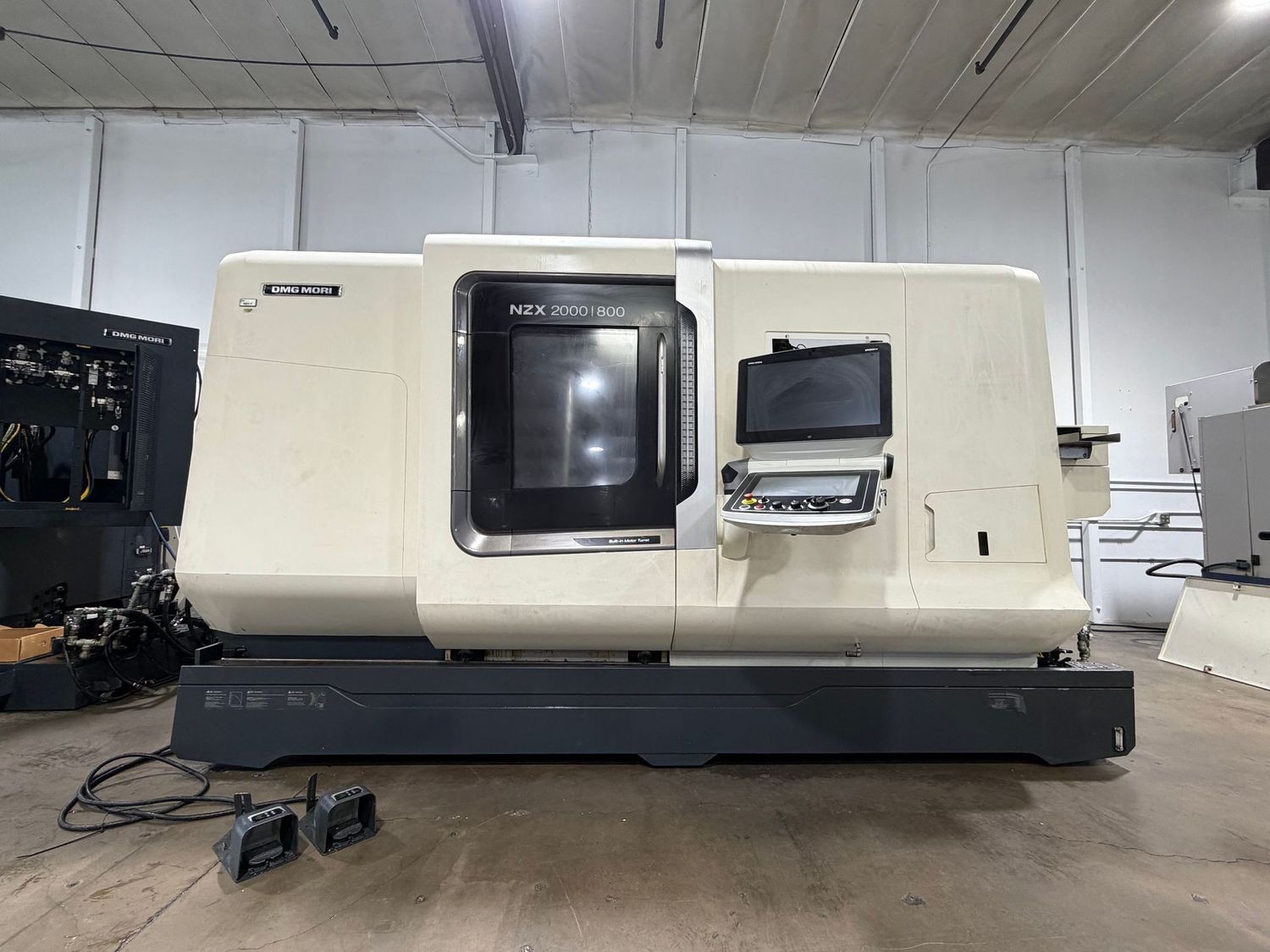
If you're shopping for a used CNC lathe, the brand you choose will determine everything downstream — reliability, parts availability, resale value, and how the machine holds tolerance five years from now. There are a lot of names in the used turning center market. In our experience, one consistently rises to the top: Mori Seiki, now DMG MORI.
At Protech Machine Tool Sales, Mori Seiki and DMG MORI turning centers are all we sell. Here's why — and what to look for when you're evaluating one.
Why Mori Seiki Holds Up
Mori Seiki built its reputation over decades of serving aerospace, automotive, medical, and defense manufacturers — industries where tolerance and repeatability aren't negotiable. The machines they produced from the 1990s through the mid-2000s were engineered with a level of rigidity and precision that the market hasn't forgotten. Walk into job shops across the country and you'll find Mori Seikis that are 20-plus years old, still holding tight tolerances in daily production.
When DMG (Deckel Maho Gildemeister) and Mori Seiki merged in 2013 to form DMG MORI, the combined entity became the largest machine tool builder in the world. The lineage carried forward. DMG MORI machines built under the merged brand continue to reflect the engineering standards Mori Seiki established — and the used market for both nameplates is deep, well-supported, and liquid.
The Model Lines to Know
SL Series — The SL line is Mori Seiki's legacy 2-axis turning workhorse. SL-25, SL-35, SL-45 — these machines ran millions of parts across American manufacturing and the survivors are still worth buying. Simple, robust, and FANUC-controlled. A well-maintained SL-25 is hard to beat for straightforward shaft and bushing work.
NL Series — The NL series represents the evolution of the SL into a more modern platform with improved rigidity and control integration. The NL2000, NL2500, and NL3000 are the most commonly available in the used market and cover a wide range of part diameters and lengths. These are the machines we see most frequently and recommend most often.
NLX Series — The NLX is DMG MORI's current-generation turning center platform, featuring the MAPPS V interface and Mitsubishi or FANUC control options. Late-model NLX machines in the used market offer near-new capability at a significant discount to new pricing.
ZL / ZT Series — Multi-turret, multi-spindle turning centers for shops running high-volume complex turned parts. More capability, more complexity — but when you need simultaneous machining and automated part transfer, these are the machines built for it.
What to Evaluate When Buying a Used Mori Seiki
Brand confidence only gets you so far. The condition of the specific machine in front of you is what you're actually buying. Key things to assess:
Spindle hours.
Ask for spindle hour data. High hours aren't an automatic disqualifier — Mori spindles are built to last — but the price should reflect where the machine is in its service life. Listen for bearing noise at speed and check for runout with a test indicator and test bar.
Axis wear and backlash.
Check X and Z axes for play. On older machines, ballscrew wear is the most common wear-related issue. Minor backlash can often be compensated in the control; significant backlash means a ballscrew replacement is in the machine's near future.
Turret condition.
Index through every position and confirm clean, repeatable locking. Hesitation or positional drift is a yellow flag. Turret rebuilds are doable but they're not cheap.
Way condition. Inspect the ways for scoring, wear patterns, or evidence of chip intrusion. Damaged way covers are a red flag — they're cheap to replace but often get deferred, and the resulting chip contamination accelerates way wear significantly.
Control generation.
Mori Seiki machines span several FANUC control generations — 0T, 10T, 16T, 18T, 21i, 31i — as well as Mori's own MAPPS overlay. Older FANUC 0T and 10T controls are functional but increasingly difficult to source replacement boards and modules for. Factor that into the long-term cost of ownership.
Coolant system. Coolant leaks at the pump, tank, and hose connections are common on older machines and are usually a sign of deferred maintenance more broadly. A machine that's been well-maintained will have a clean coolant system.
The Used Mori Advantage: The Numbers
A new DMG MORI NLX 2500 will run $200,000 to $280,000 depending on configuration and options. A used Mori Seiki NL2500 in solid condition — inspected, verified, running — can be acquired for $35,000 to $75,000. That's the same part accuracy, the same spindle taper, the same basic capability, at roughly 25 to 35 cents on the dollar.
For shops running turned parts — shafts, fittings, bushings, medical components, hydraulic parts — that math is hard to argue with. The machine doesn't know it's used.
Why Buy from a Specialist
The used CNC market has dealers who know machines and liquidators who move them. The difference matters. When a Mori Seiki comes through our facility in Anaheim, we evaluate it — spindle, axes, turret, control, coolant — before it goes to a buyer. We specialize in these machines because we know them well enough to stand behind them.
If you're looking for a used Mori Seiki or DMG MORI turning center, browse our current inventory or call us at (714) 632-8452. We're happy to talk through what fits your application.